 |
Jan & Jan-Jan's Rejseklubben is an exclusive club, with only 2 members, and we do NOT accept new members. |
 |
 |
 |
 |
 |
 |
 |
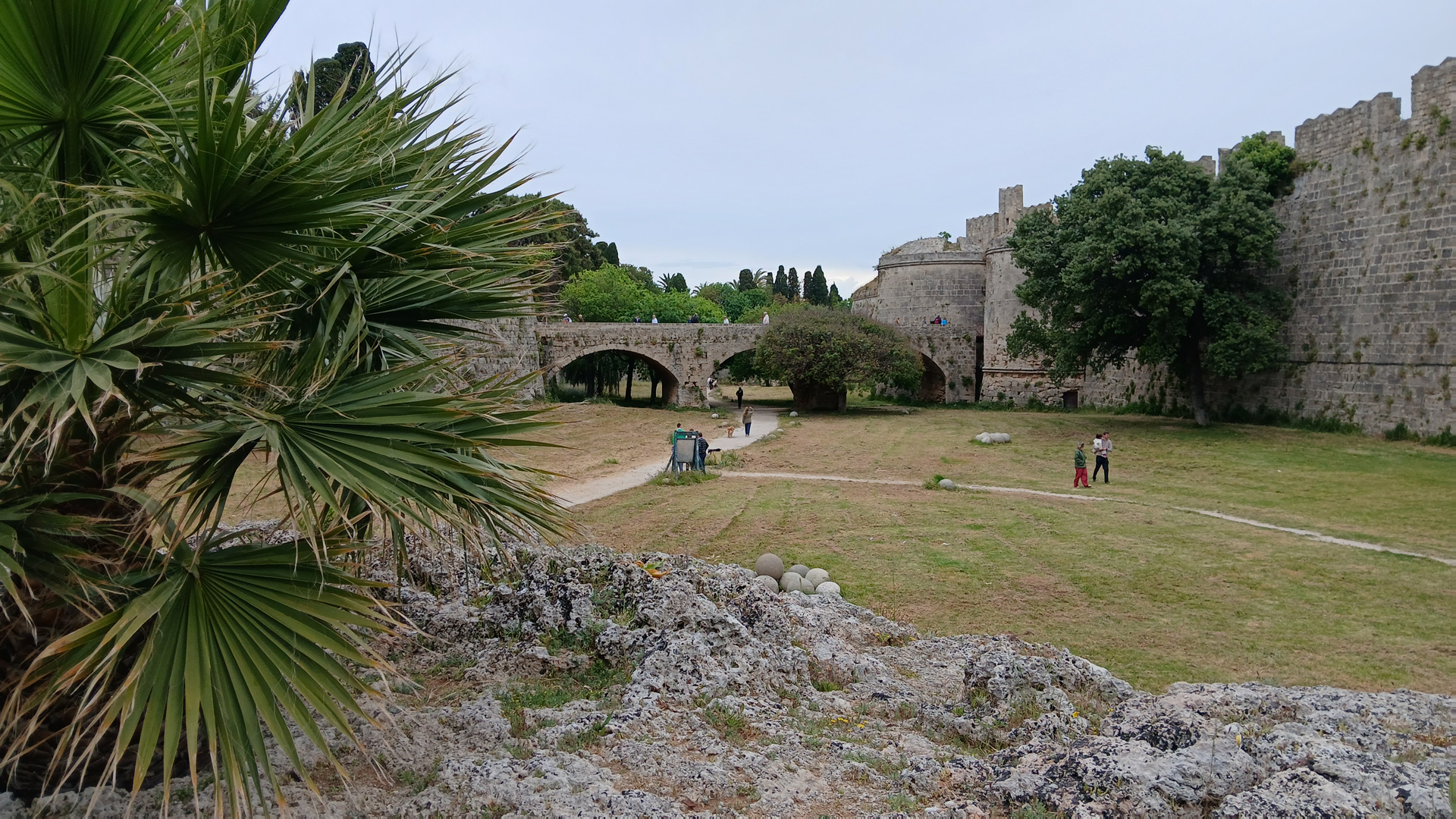
The fortifications of the town of Rhodes are shaped like a defensive crescent around the medieval town and consist mostly of a fortification composed of a huge wall made of an embankment encased in stone, equipped with scarp, bastions, moat, counterscarp and glacis. The portion of fortifications facing the harbour is instead composed of a crenellated wall. On the moles, towers and defensive forts are found. |
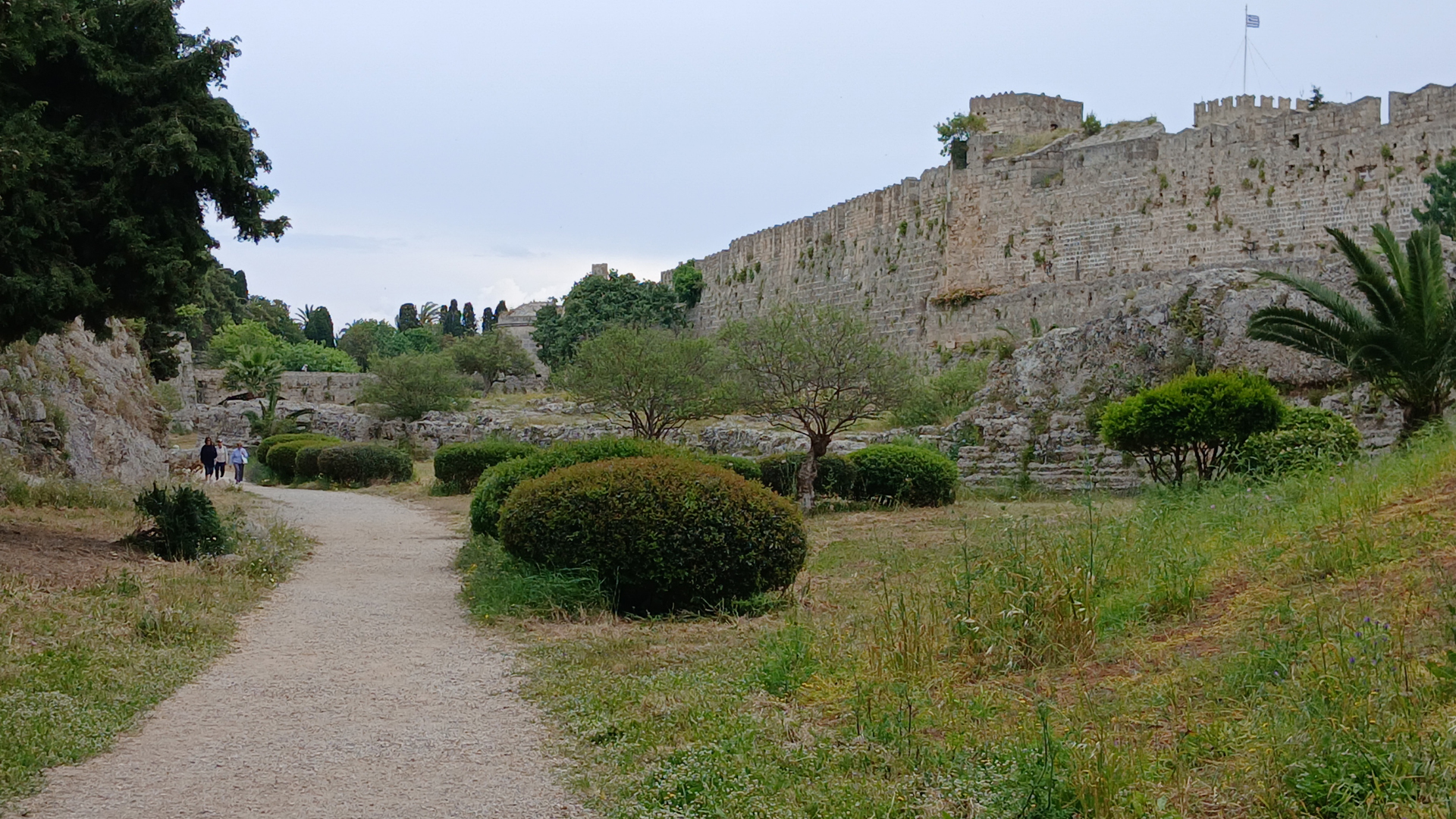 The moat around Rhodes old town |
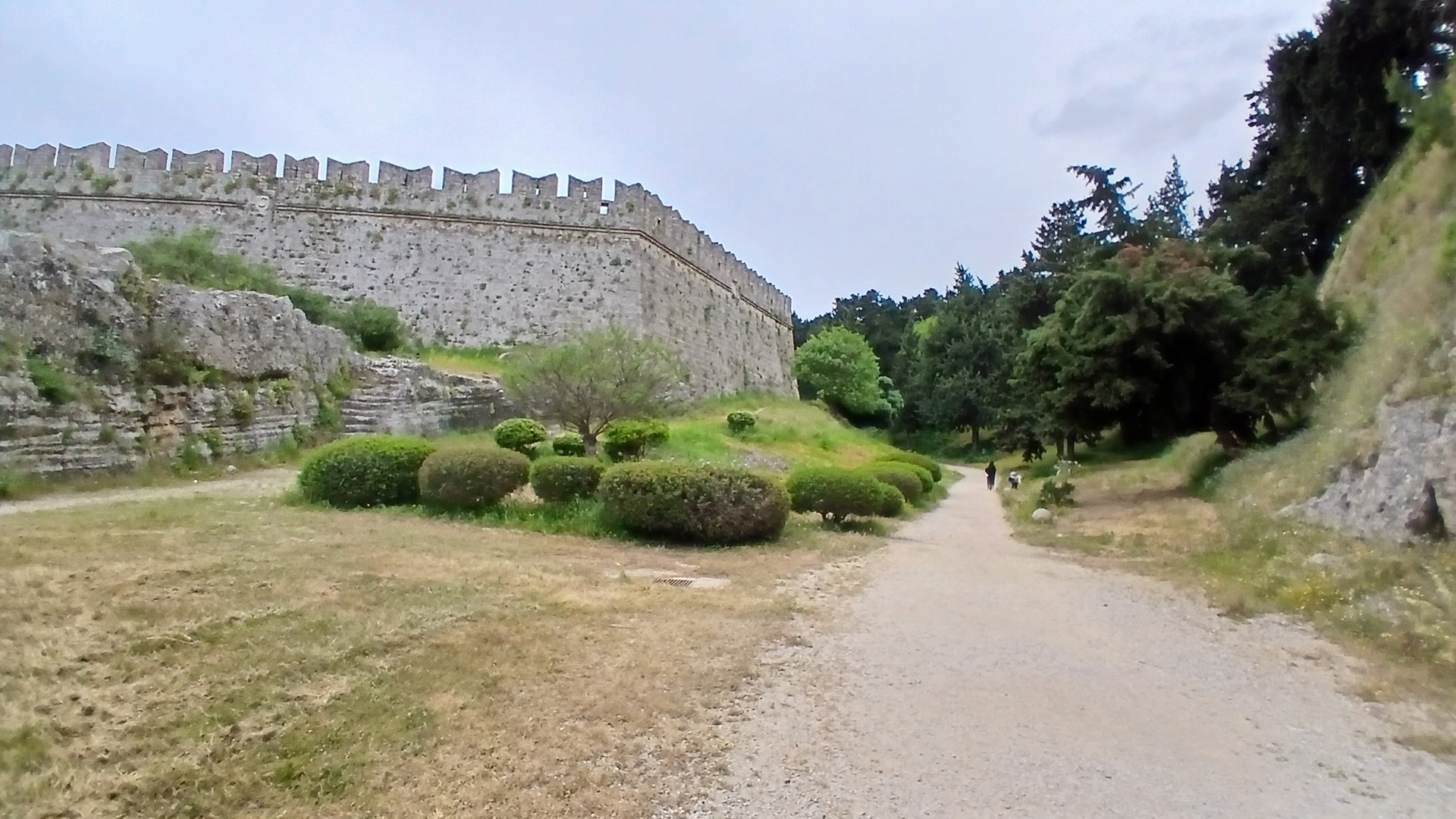 The moat around Rhodes old town |
They were built by the Knights Hospitaller of Saint John by enhancing the existing Byzantine walls starting from 1309, the year in which they took possession of the island after a three-year struggle. |
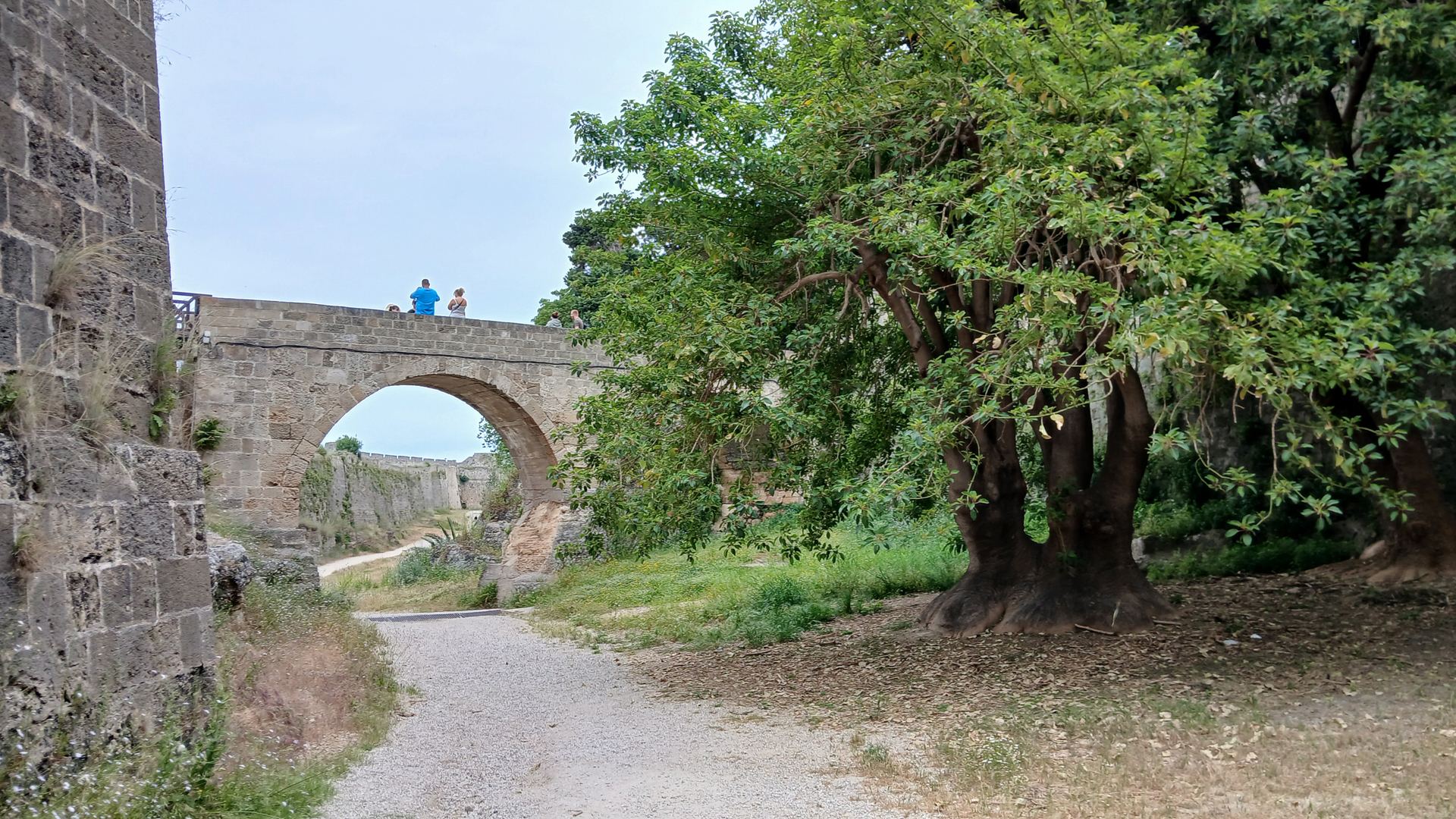 The moat around Rhodes old town |
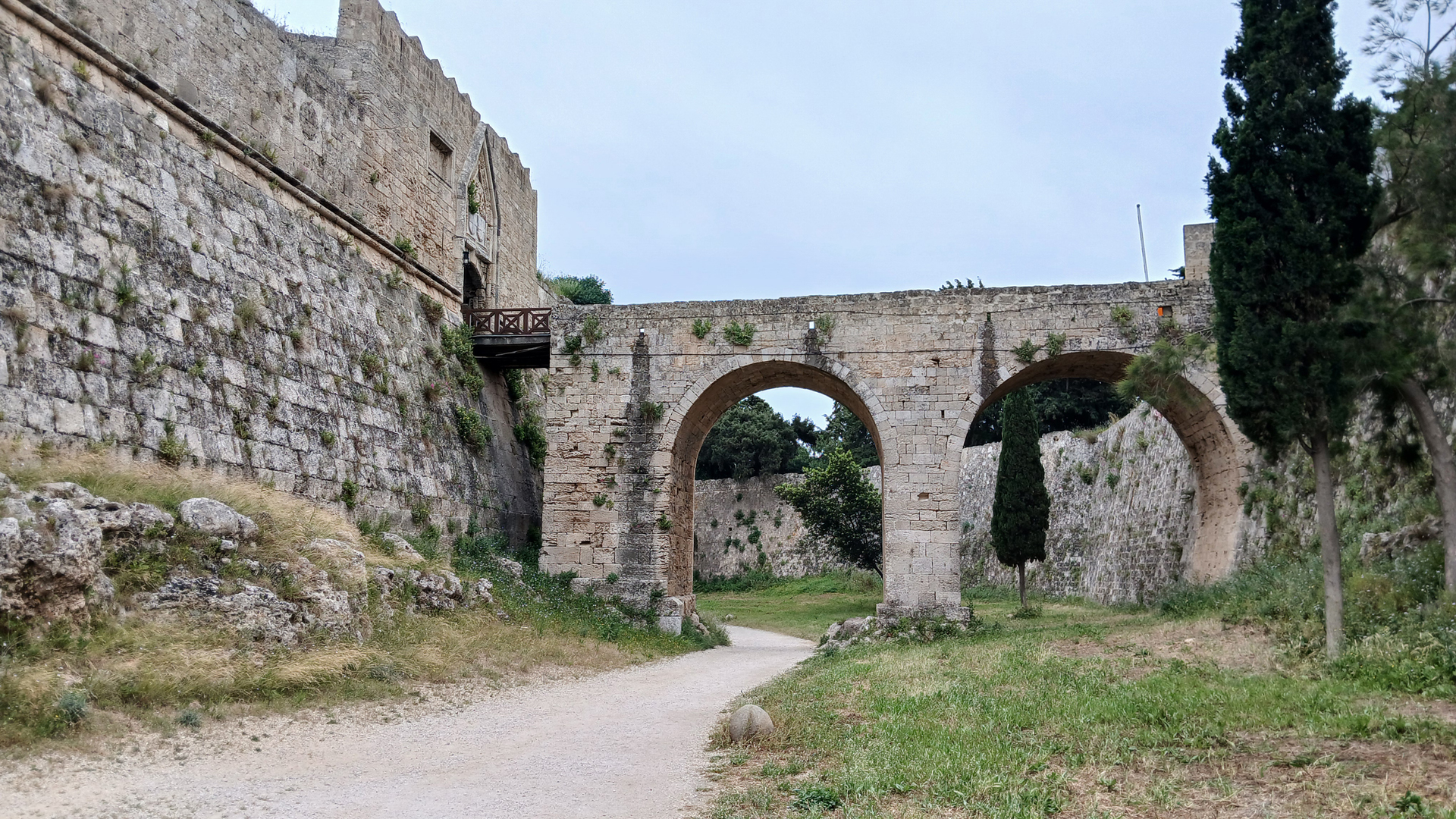 The moat around Rhodes old town |
Like most of the defensive walls, they were built with a technique[3] called rubble masonry which allows for a great mass capable of withstanding gunshots with smooth external stone faces to prevent climbing. |
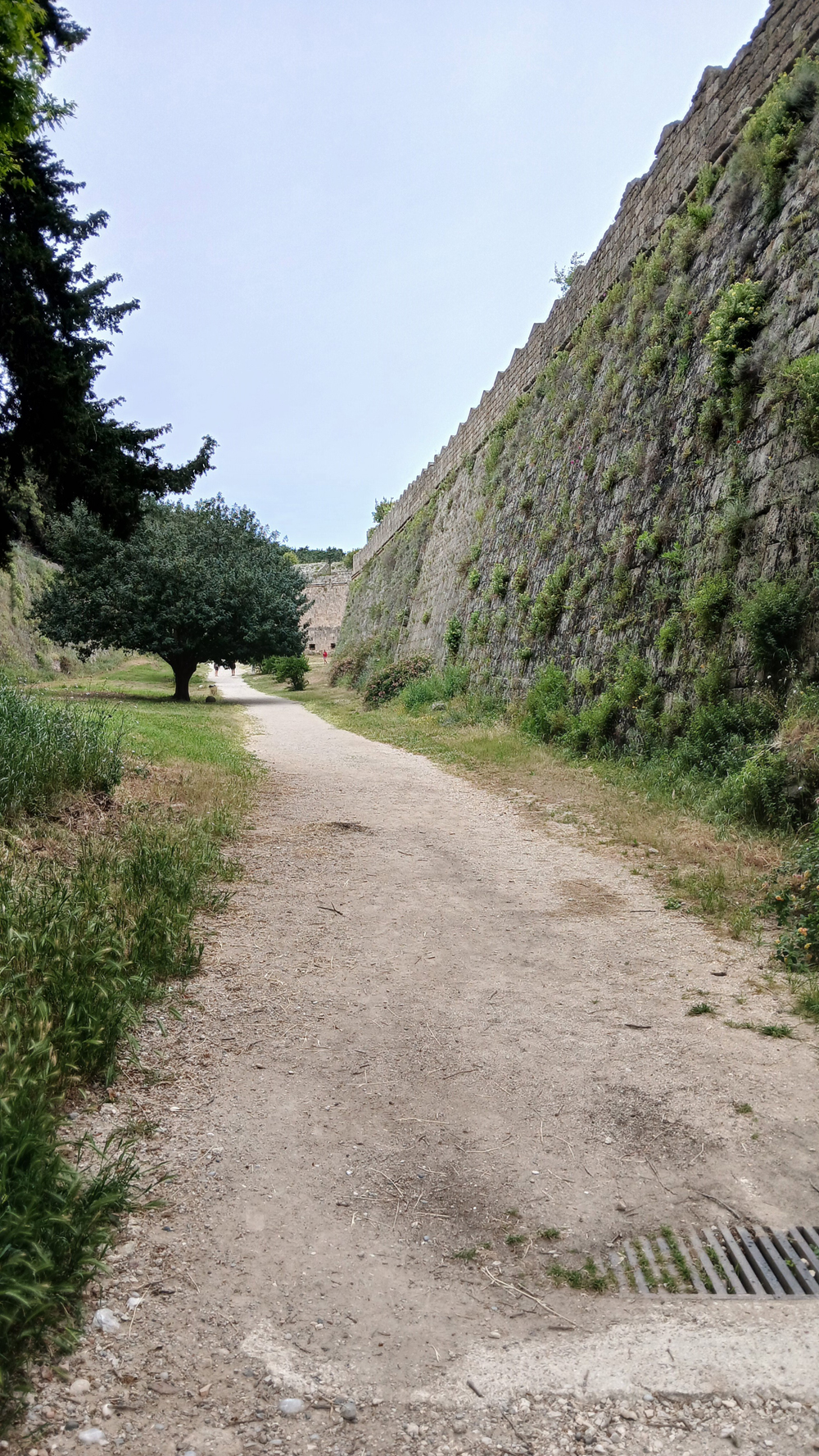 The moat around Rhodes old town |
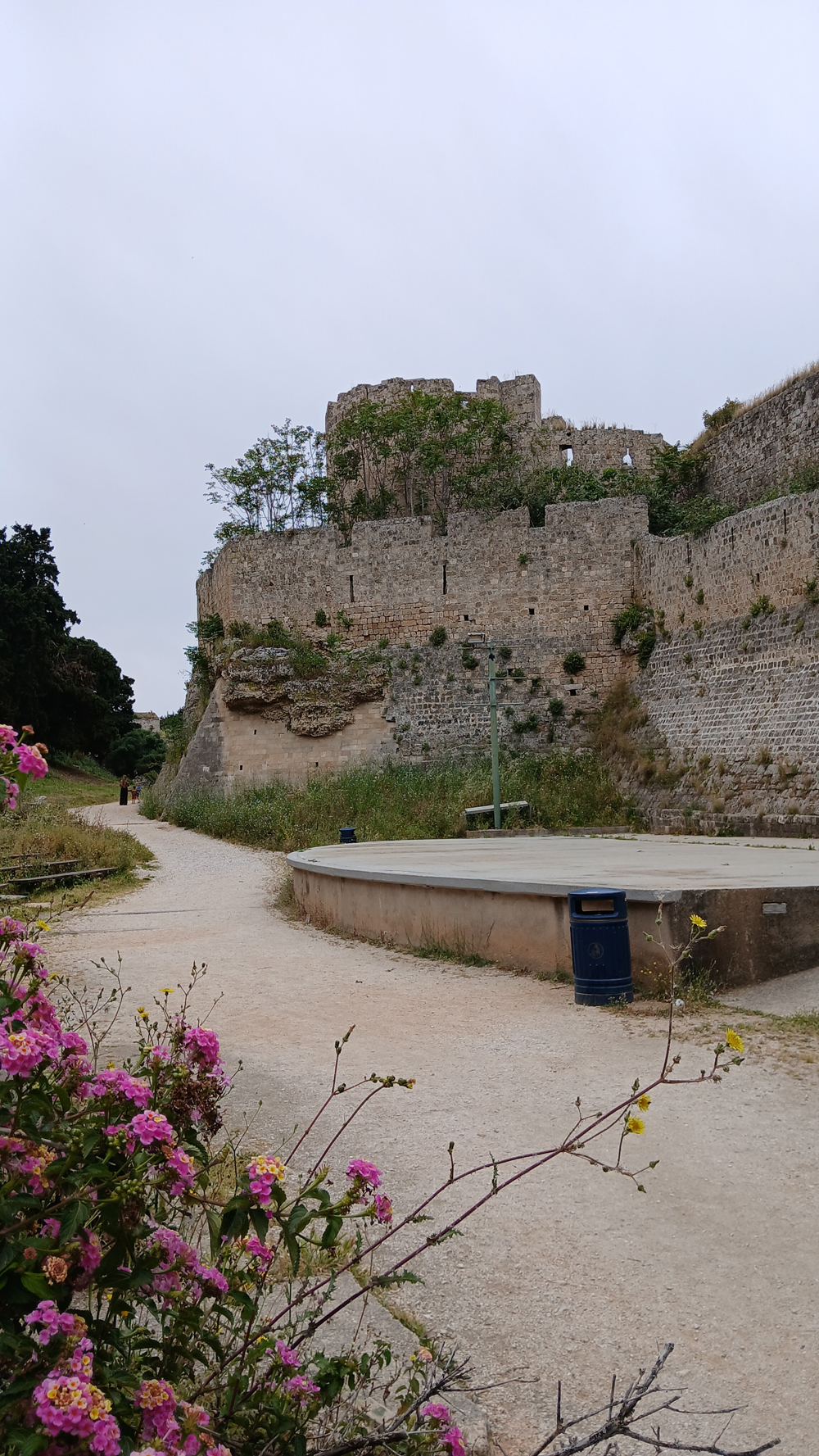 The moat around Rhodes old town |
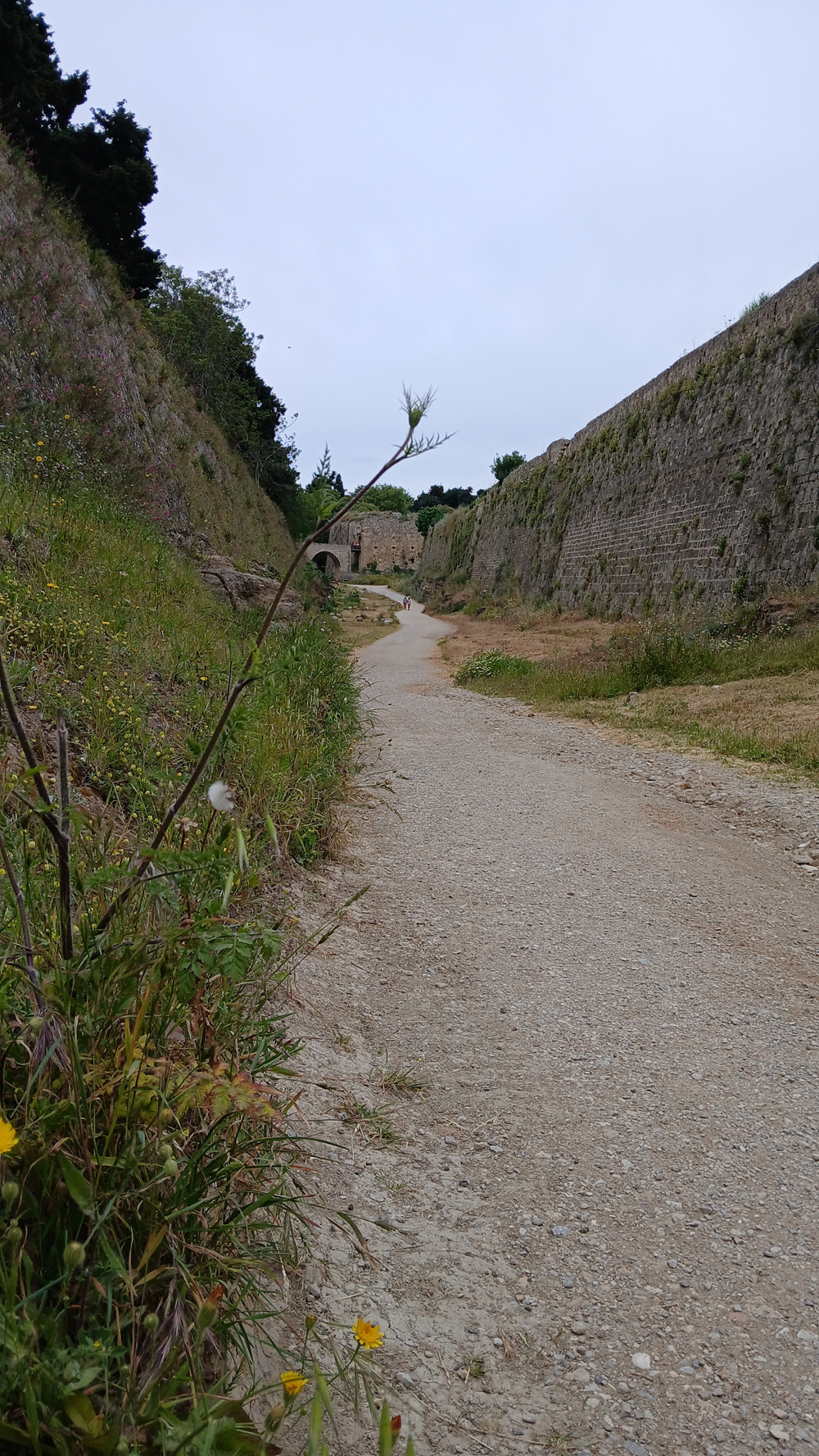 The moat around Rhodes old town |
The defence of different portions of fortifications was assigned to different Langue (tongues) of Knights. The North face was under the rule of the Grand Master, then moving West and South the posts were held by the Langue of France and Alvernia, the Langue of Spain (Spanish and Portuguese), the Langue of Germany (English and German), and the Langue of Italy. Bastions and terrepleins still hold the name of the langue involved (e.g. Bastion of Italy, terreplein of Spain). |
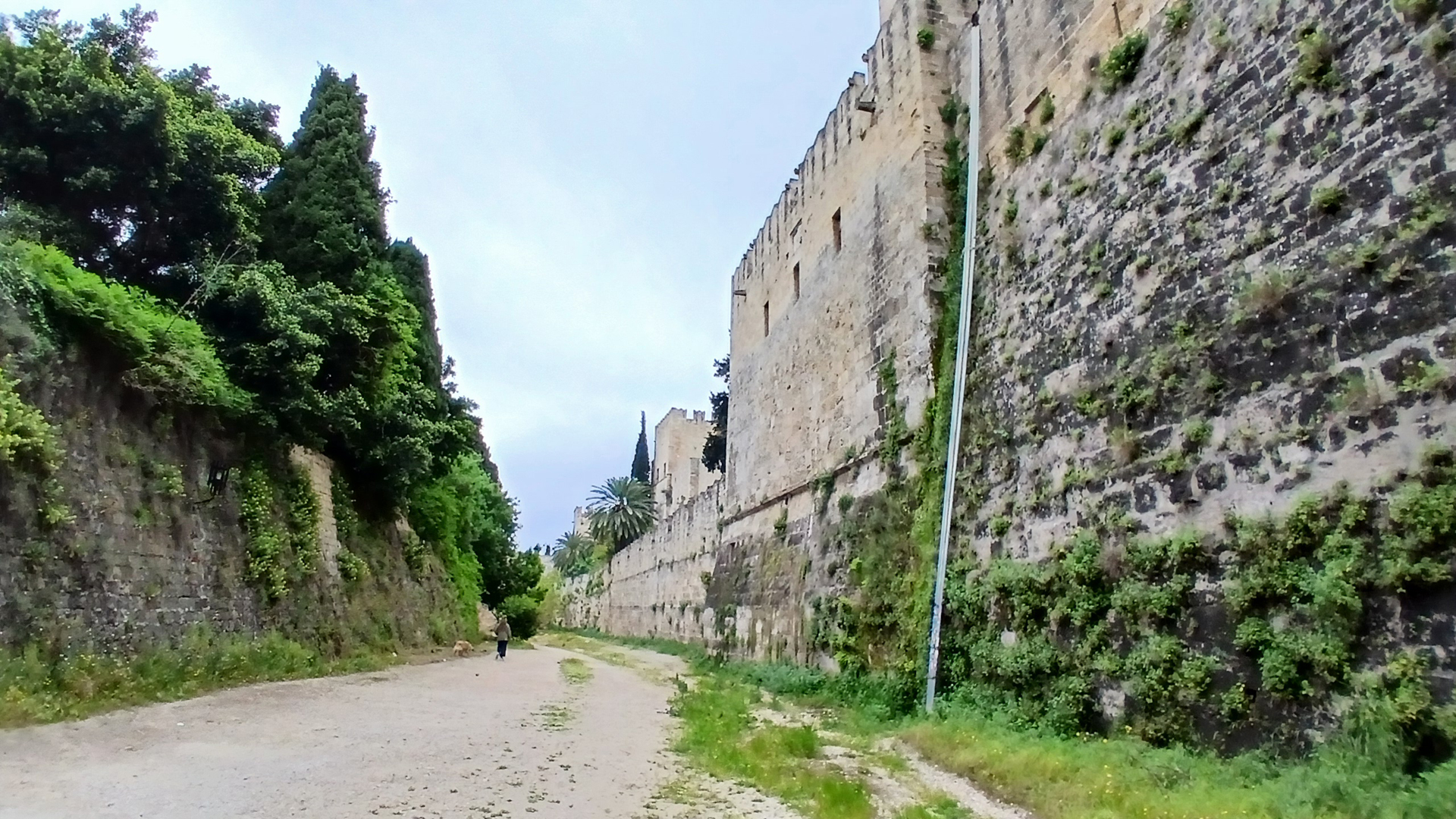 The moat around Rhodes old town |
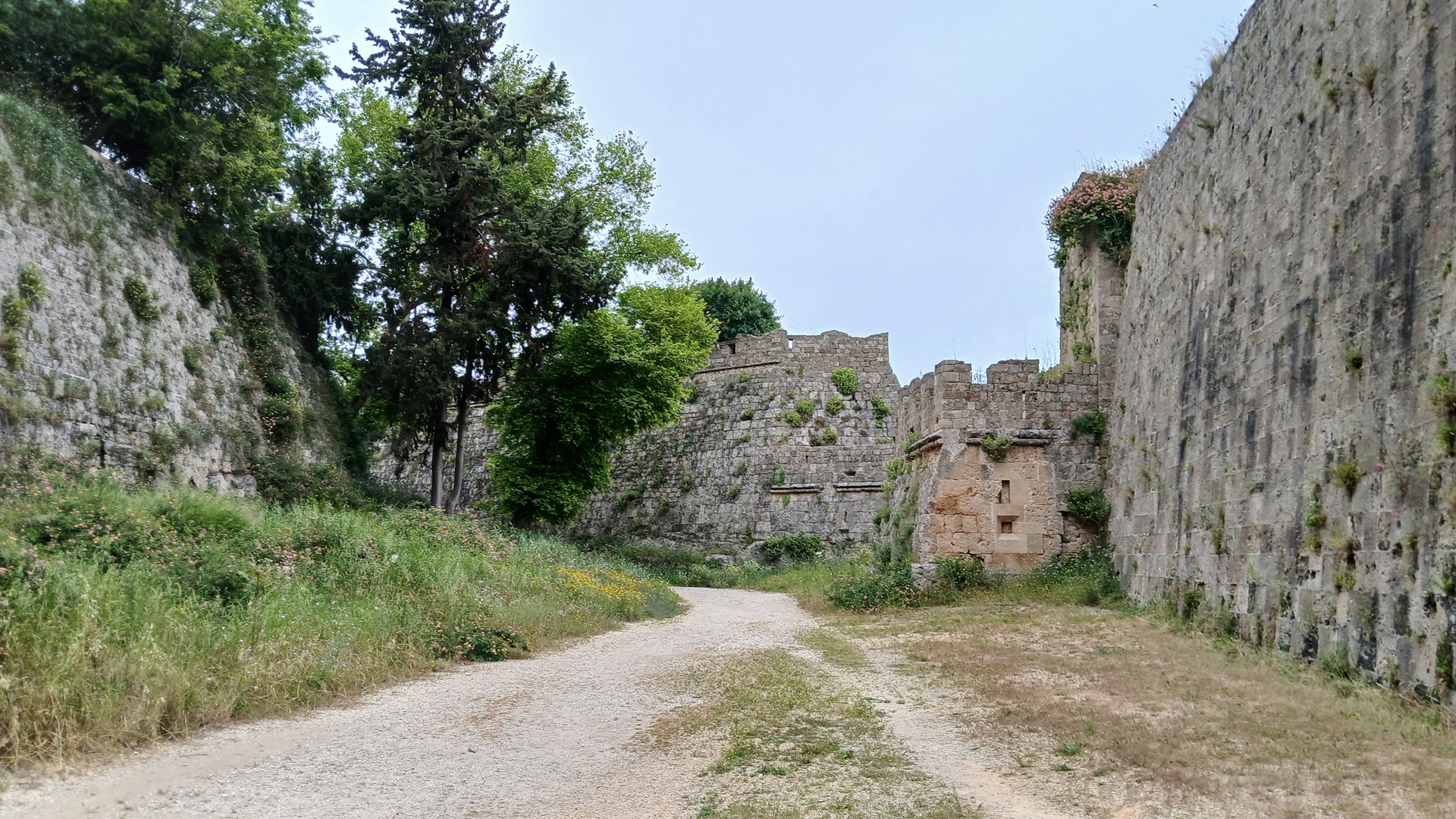 The moat around Rhodes old town |
Due to its geographical position as a gate to the Aegean Sea, Rhodes has always had a vantage position on the trade routes between the West and the East and has been an important stop thanks to its well protected harbours. During the Hellenistic period in the late 4th century BC, the town of Rhodes was already enclosed in defensive walls which allowed to withstand the siege of Demetrius Poliorketes king of Macedonia, in 305 BC. The famous Colossus of Rhodes was built to thank gods for the victory against Demetrius. Philo of Byzantium author of the treatise "Paraskeuastica" on defensive works, stayed in Rhodes in the 3rd century BC and expressed his admiration for its walls. The earthquake of 226 BC severely damaged the fortifications, but they were soon rebuilt. The Byzantines built a fortress on the highest part of the town. |
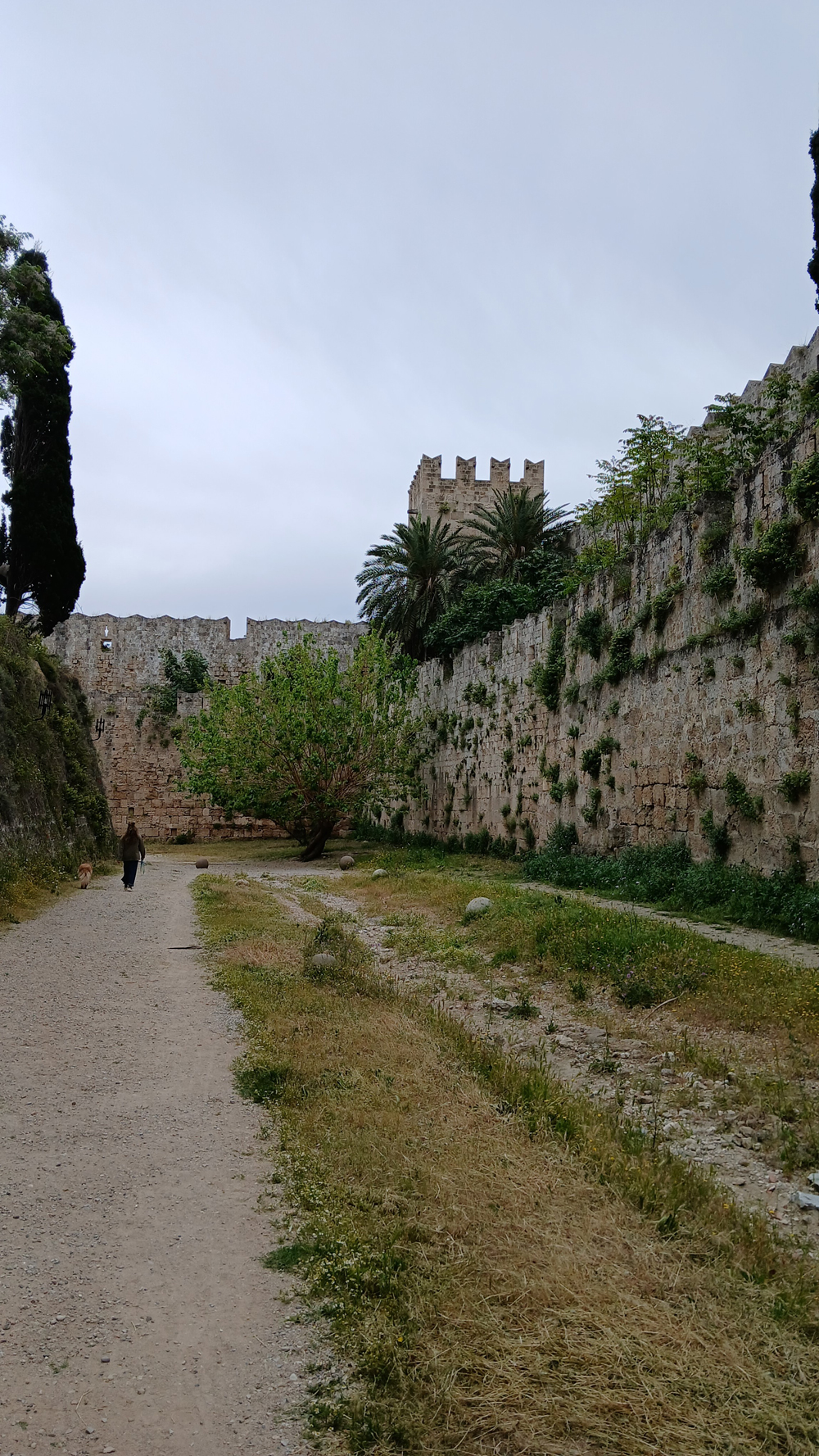 The moat around Rhodes old town |
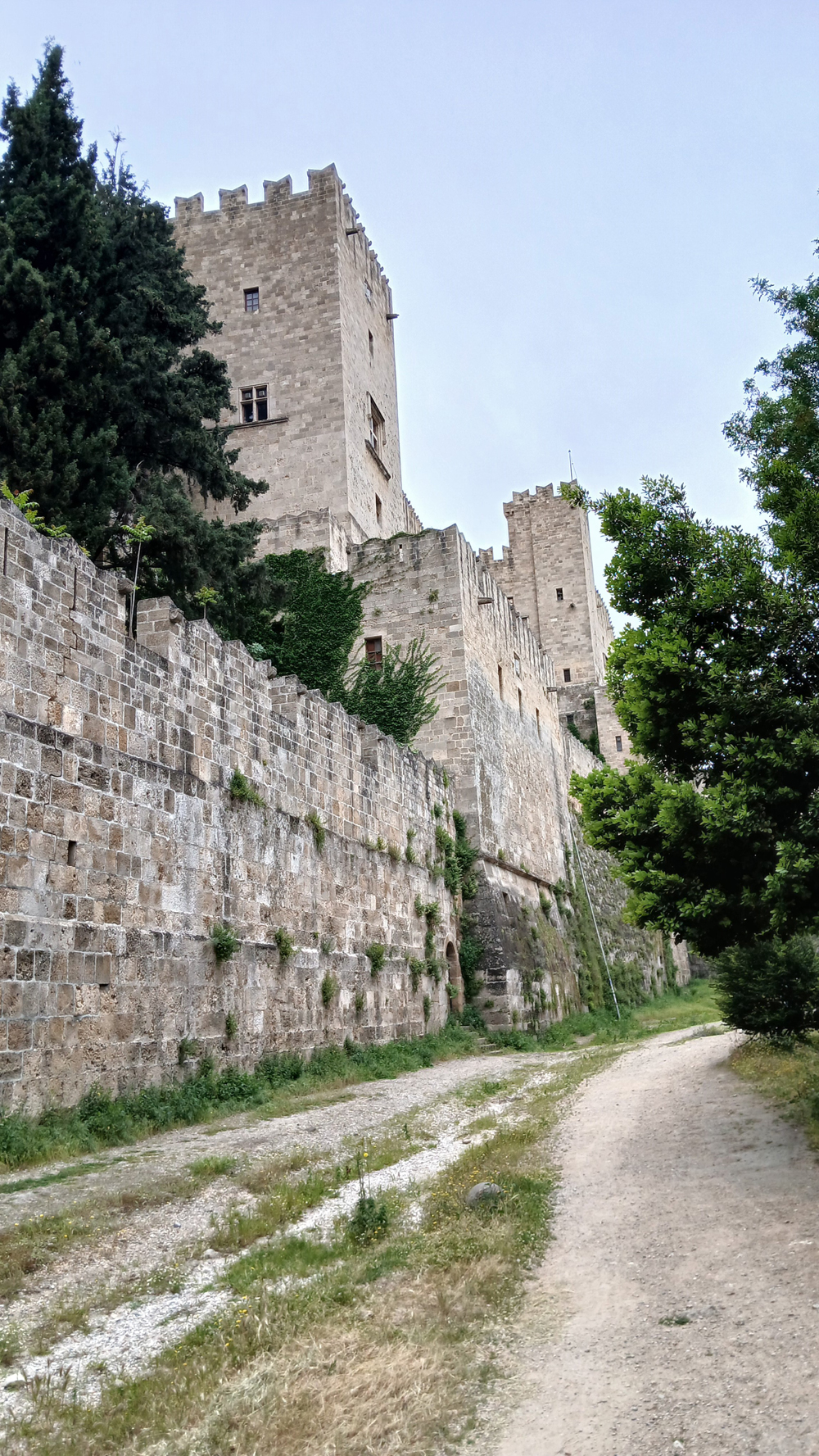 The moat around Rhodes old town |
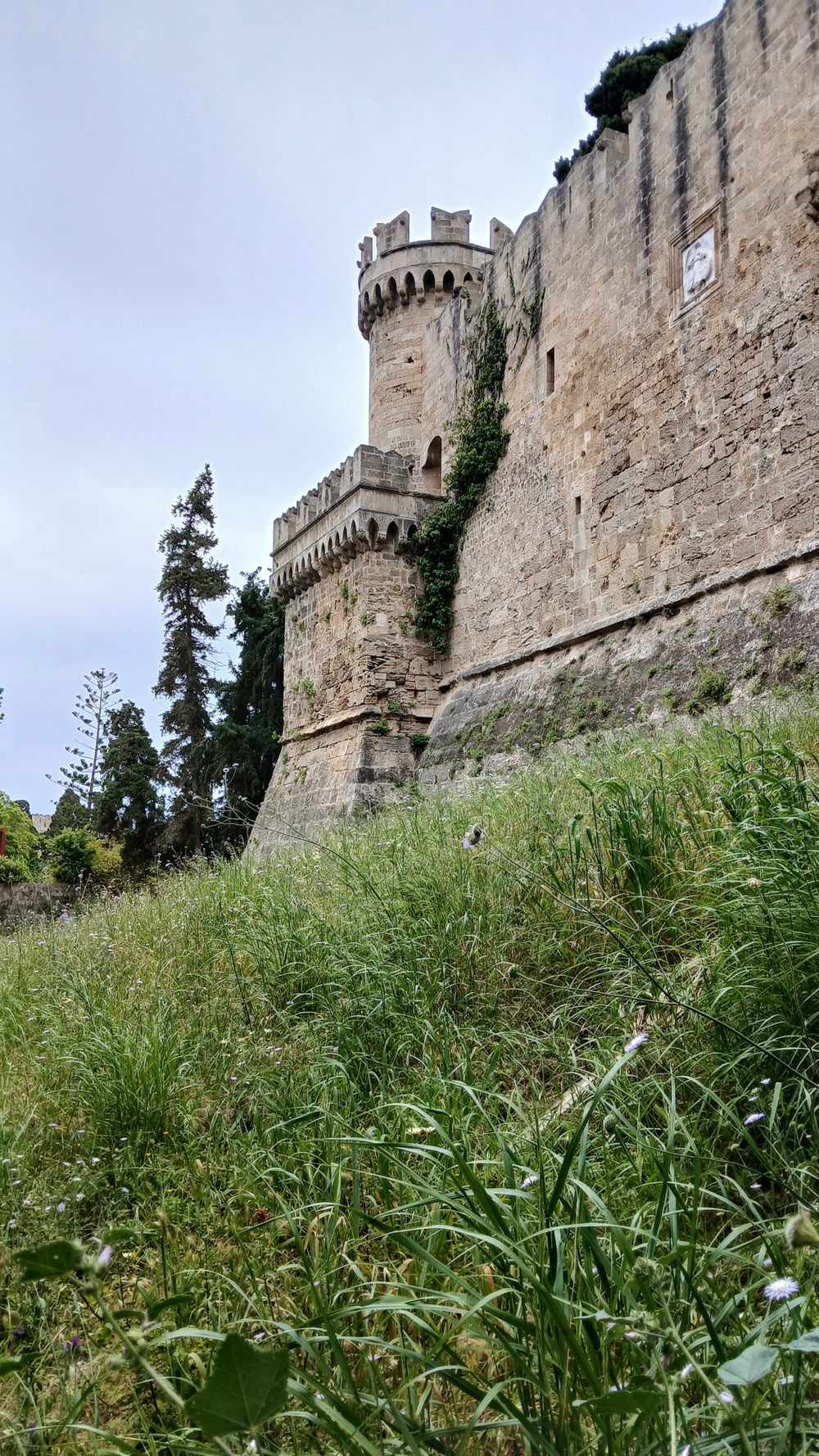 The moat around Rhodes old town |



|
www.rejseklubben.info Copyright © All Rights Reserved |
|